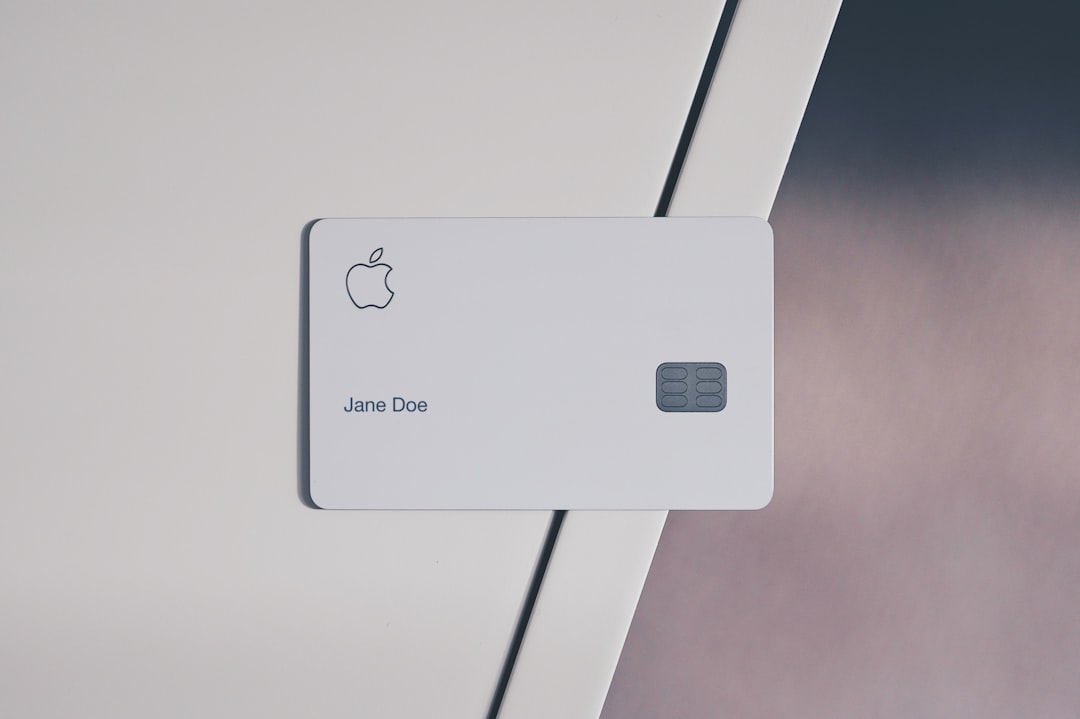
Photo by blocks on Unsplash
Best Balance Transfer Credit Cards UK 2026: Your Complete Guide
If you're carrying a balance on a credit card right now, you could be handing your lender hundreds — or thousands — of pounds in interest every single year. A balance transfer credit card is one of the most powerful tools available in UK personal finance for stopping that leak cold. Done right, it costs you almost nothing. Done wrong, you end up exactly where you started.
This guide covers everything you need to know: how balance transfers work, which cards are worth your attention right now, how to compare them properly, and the strategies that actually clear your debt faster.
What Is a Balance Transfer Credit Card?
A balance transfer credit card lets you move existing credit card debt from one (or more) cards onto a new card — usually at 0% interest for a fixed introductory period. Instead of your monthly payment being eaten up by interest charges, every pound goes directly towards reducing the balance itself.
The mechanics are straightforward. You apply for a new card, request a transfer, and the new provider pays off your old card. You then owe that amount to the new provider — but at 0% interest rather than the 20–35% APR you were likely paying before.
The key advantages over a standard credit card are significant:
- Your debt stops growing through compounding interest
- Every monthly payment actually chips away at what you owe
- You have a fixed, predictable timeline to become debt-free
- The savings can run to thousands of pounds on larger balances
Key Features to Look For
Not all balance transfer cards are created equal. Before you apply, you need to understand the three levers that determine whether a deal is actually good for your situation.
The 0% introductory period is how long you pay no interest on the transferred balance. Current deals in the UK market run anywhere from 12 months at the shorter end up to 38 months for the longest available offers. The longer the period, the lower your required monthly payment to clear the debt in time — but longer deals typically come with higher transfer fees.
The balance transfer fee is a one-off charge, expressed as a percentage of the amount you move across. Most deals in the current market charge somewhere between 1% and 5% of the transferred balance. On a £3,000 balance, a 3% fee costs you £90 upfront. Some cards offer a fee-free transfer, but these tend to come with shorter 0% windows.
The ongoing APR matters because it kicks in the moment the introductory period ends. Any balance still outstanding at that point gets charged at the card's standard rate — typically 22–30% variable. If you don't clear the full balance in time, the interest charges can quickly unravel much of what you saved.
A fourth factor worth checking: most providers require you to complete the transfer within 60 to 90 days of opening the account, or you lose the promotional rate entirely. Don't delay once you've been approved.
Comparing the Best Deals Right Now
The UK market in April 2026 is competitive, with providers jostling on both the length of the 0% period and the size of transfer fees. Here's how the leading options compare:
| Card | 0% Period | Transfer Fee | Ongoing APR (rep.) | Notes |
|---|---|---|---|---|
| TSB Platinum Balance Transfer | Up to 38 months | 5% | ~24.9% variable | Longest available period; high fee |
| Barclaycard Platinum | Up to 29 months | 2.99% | ~24.9% variable | Strong balance of length and fee |
| MBNA Balance Transfer | Up to 36 months | Variable | ~24.9% variable | Cashback rewards via MBNA Smart Rewards |
| Virgin Money Balance Transfer | Competitive | Variable | ~24.9% variable | Accepts some Amex transfers |
| Santander Everyday No BT Fee | 12 months | 0% | ~24.9% variable | Fee-free; shorter window |
Also worth knowing: you cannot transfer a balance between two cards issued by the same bank or banking group. A Barclaycard balance cannot be transferred to another Barclaycard, for example.
Is the fee worth it? Nearly always yes, on meaningful balances. On £3,000 at 29.9% APR, leaving the debt in place costs you roughly £2,175 in interest over 29 months. The Barclaycard Platinum's 2.99% fee comes to £90. The net saving is over £2,000. Even on the TSB's higher 5% fee, the interest saving at longer balances makes the maths work strongly in your favour.
Strategies to Maximise Your Savings
Getting approved is only half the job. The real work is making sure you actually clear the balance before the 0% period runs out. Here's how to give yourself the best possible chance.
Calculate your monthly payment before you apply. Divide your total balance by the number of months in the 0% period. That's the minimum you need to pay each month to clear the debt in time. If that figure is beyond your current budget, a longer 0% period may be more appropriate than the lowest-fee option.
Set up a standing order immediately. Don't rely on remembering to pay each month. Missing even one payment on most balance transfer deals results in the loss of the 0% rate entirely — and your remaining balance immediately starts accruing interest at the standard rate. A standing order removes the human error risk completely.
Don't use the card for new spending. This is one of the most common mistakes people make. The 0% rate applies to the transferred balance only. New purchases on the same card are typically charged at the full standard APR from the day you make them — and your payments are usually applied to clear the cheaper balance first, meaning the expensive new spending sits growing.
Don't close the old card immediately. Closing accounts can temporarily affect your credit utilisation ratio and score. Leave it open but unused, at least until your balance transfer is comfortably progressing.
Don't miss the transfer window. Most providers require the balance to be transferred within 60 to 90 days of account opening. If you delay past that window, the promotional rate disappears.
How to Choose the Right Card for Your Situation
The "best" balance transfer card is the one that fits your specific numbers — not necessarily the one with the longest headline 0% period.
Start by calculating two things: the total balance you want to transfer, and the monthly payment you can genuinely afford to make. Divide the balance by the monthly payment and you get the number of months you need. If the answer is 18 months, you don't need a 38-month deal with a 5% fee — a shorter, cheaper card serves you better.
Your credit score also affects which deals you can access. The headline rates are typically available to applicants with good to excellent credit histories. If your credit file has some blemishes, you may be offered a shorter 0% window or a higher fee than advertised. Use an eligibility checker — available through most major comparison sites — before applying. These soft searches don't appear on your credit report, so they won't affect your score regardless of the outcome.
If you're consolidating balances from multiple cards, check that the credit limit on your new card is high enough to accommodate all of them. You can transfer multiple balances to a single card, subject to your credit limit — typically up to around 90–95% of it, to allow for the transfer fee.
Finally, consider the provider's customer service reputation. A card you'll hold for two or three years while actively managing debt repayment is one where it's worth knowing you can get decent support if something goes wrong.
Expert Perspective
The consensus among UK personal finance specialists is consistent: for anyone carrying credit card debt at a standard APR, a balance transfer is one of the highest-return financial moves available. The savings dwarf what you'd earn from a typical savings account on the same amount of money.
The key discipline is treating the 0% period as a fixed deadline, not a safety net. The danger isn't the transfer itself — it's human behaviour during the promotional window. Spending on the card, making only minimum payments, or simply assuming you'll sort it before the deadline all lead to the same outcome: interest kicking back in on a balance that's barely moved.
The most effective approach is mechanical: set the standing order on day one, lock the card away, and treat the monthly payment as a fixed expense until the balance hits zero.
For further comparison tools and to check your eligibility for current deals without affecting your credit score, SimplySwitch offers a straightforward way to view the UK market's best balance transfer options. For a deeper dive into APR comparisons and card-by-card analysis, Credit Card Review 247 is worth bookmarking. You can also browse current offers at CreditCardOffers.
Frequently Asked Questions
Will applying for a balance transfer credit card affect my credit score? Yes, a full application involves a hard credit search which will appear on your report. However, using an eligibility checker beforehand is a soft search and leaves no trace. Check your eligibility before formally applying.
Can I transfer a balance from a store card? Usually yes. Most balance transfer cards accept debt from standard credit cards and store cards, provided the card is not issued by the same bank or banking group as the new card.
What happens if I don't clear the balance in time? Any remaining balance at the end of the 0% period is charged at the card's standard ongoing APR — typically in the 22–30% range. At that point you may want to consider another balance transfer to a new card, though this depends on your credit profile at the time.
Can I transfer a balance from an American Express card? Some providers accept Amex transfers; others do not. Virgin Money accepts UK-issued Amex cards. Providers like Aqua, Fluid, and Marbles via NewDay do not. Always check directly with the new provider before applying.
Is there a minimum balance I need to transfer? This varies by provider, but most have a minimum transfer amount of around £100. Some promotional offers — such as enhanced cashback on transfer — require a minimum of £2,500 transferred within the first 60 days.
This article is for information purposes only and does not constitute financial advice. Credit is subject to status and individual circumstances. Always read the full terms and conditions before applying. Representative APRs are illustrative — the rate you receive may differ.
Was this article helpful?
Comments
Join the discussion
The Friday Money Brief
One money tip every Friday. No spam. Unsubscribe any time.
No comments yet.