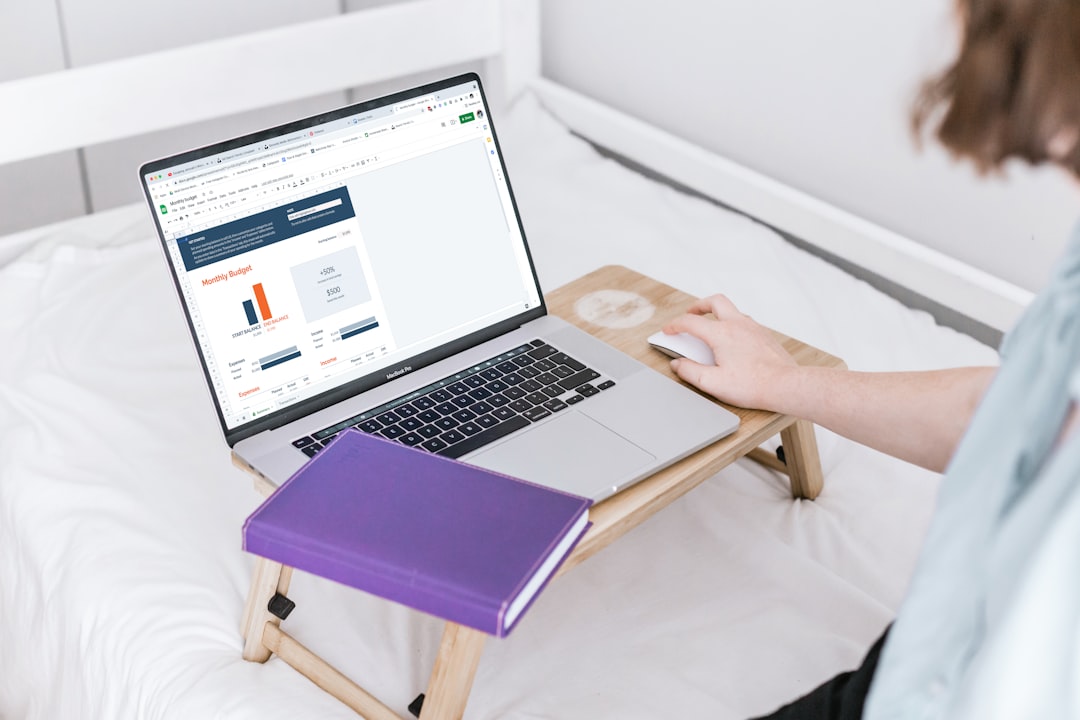
Photo by Sincerely Media on Unsplash
Budgeting Tips and Tricks That Actually Work in the UK (2026)
Most budgeting advice talks about cutting out lattes. Real budgeting is about understanding where your money goes, building a system that works without willpower, and giving yourself room to live. This guide covers practical techniques, honest app recommendations, and the mental shifts that make budgets stick — all tailored for life in the UK.
Why Most Budgets Fail (And How to Avoid It)
The classic reason people abandon budgets is that they're built on a fantasy version of your spending. You estimate £200 a month on food. The reality is closer to £380. You forget about the streaming subscriptions, the annual insurance renewal, the birthday gifts that crop up every month somewhere. When the budget doesn't match reality, it feels like failure — and you stop.
The fix isn't stricter willpower. It's a better system. That means tracking your actual spending for at least one month before building any budget, accounting for irregular annual costs like car servicing and holidays, and leaving a deliberate "miscellaneous" buffer rather than pretending you'll be perfect.
The other major failure point is making the budget too tight. Budgets that leave no room for enjoyment don't last. Building in a guilt-free spending category — even a modest one — dramatically improves long-term success rates.
The 50/30/20 Rule: A Simple Framework for UK Incomes
The 50/30/20 rule divides your take-home pay into three buckets:
- 50% on needs — rent or mortgage, council tax, utilities, groceries, transport, minimum debt repayments
- 30% on wants — eating out, hobbies, subscriptions, clothing, holidays
- 20% on savings and extra debt repayments — emergency fund, ISA contributions, pension top-ups
The value of the rule is simplicity. You don't need a spreadsheet with 47 categories. Three numbers, reviewed monthly.
| Budget Category | Allocation | UK Examples |
|---|---|---|
| Needs | 50% | Rent, council tax, gas/electric, food, commuting |
| Wants | 30% | Restaurants, Netflix, gym, clothing, weekends away |
| Savings & Debt | 20% | Cash ISA, emergency fund, overpaying mortgage |
Envelope Budgeting: The Low-Tech Method That Works
Envelope budgeting is one of the oldest personal finance techniques and it's having a revival — partly because of the app Monzo, which repackaged it as "Pots."
The concept is simple: you allocate your money into separate envelopes (physical or digital) at the start of the month. When an envelope is empty, that category is done. Groceries pot empty? You're eating from the freezer until the next payday.
How to set it up digitally in the UK:
- Monzo Pots — the easiest option. Create pots for rent, groceries, transport, fun money. Pay bills directly from specific pots. Free with Monzo's basic account.
- HyperJar — a prepaid card linked to digital jars. Good if you want physical spending limits enforced automatically.
- YNAB (You Need A Budget) — the most powerful envelope budgeting app available in the UK, though it costs £10.99/month. Beloved by people with irregular income who need precise control.
The Best Budgeting Apps in the UK (2026)
A budgeting app won't fix your finances by itself, but the right one removes the friction that stops most people tracking their spending at all.
All reputable UK budgeting apps use Open Banking — a secure, FCA-regulated connection that lets them read your transaction data without being able to move your money.
| App | Best For | Free Tier | Paid Plans |
|---|---|---|---|
| Emma | Subscription tracking & spending analysis | Yes (2 bank connections) | From £5.99/month |
| Snoop | Bill tracking & money-saving alerts | Yes | Optional paid upgrade |
| Plum | Automated saving & smart rules | Yes | From £2.99/month |
| Monzo | Built-in pots & everyday banking | Yes | From £3/month (Monzo Extra) |
| YNAB | Envelope budgeting & irregular income | No (34-day trial) | £10.99/month |
Snoop focuses on bills and recurring costs. It uses your spending data to flag when you're paying more than you need to for energy, broadband, or insurance, and suggests switching.
Plum suits people who want to automate saving without thinking about it. Its algorithm analyses your income and spending, then moves small amounts into savings pots at regular intervals — amounts it calculates you won't miss.
Pay Yourself First: The Savings Trick That Beats Budgeting
Most people save whatever's left at the end of the month. Pay-yourself-first reverses the order: savings leave your account on payday, before you've had a chance to spend them.
Set up a standing order for the day after payday, transferring a set amount straight to a cash ISA, savings account, or pension. Even £50/month invested consistently beats a theoretically larger sum that never actually materialises.
The ISA allowance for 2025/26 is £20,000. If you have an employer pension, check whether you're maximising any matched contributions — that's an immediate 100% return on your money that no savings account can match.
Tracking Irregular Expenses: The Most Overlooked Budgeting Tip
Monthly budgets fail because annual and irregular costs feel invisible until they hit. Car insurance, MOT, TV licence (£174.50 for 2026/27), Christmas, birthdays, home maintenance — these aren't surprises, they're predictable. They just feel like surprises because most people don't account for them.
The fix: make a list of every non-monthly expense you pay across a year and divide the total by 12. That number goes into your monthly budget as a "sinking fund" line. When the expense arrives, the money is already there.
Example:
- Car insurance renewal: £800
- MOT + service: £350
- Christmas gifts: £500
- Annual subscriptions (Spotify, Amazon, etc.): £200
- Total: £1,850 ÷ 12 = £154/month to set aside
Reducing Your Biggest Costs: Where UK Budgets Can Move the Needle
Cutting small pleasures is demoralising and barely moves the needle. The biggest wins in personal budgeting come from the big fixed costs.
Energy bills — if you're still on a default tariff, compare on MoneySuperMarket or uSwitch. Fixed rate deals have made a comeback in 2026, and locking in when the price cap is high can save hundreds over a contract period.
Broadband and mobile — the UK market is competitive. Most people overpay by staying with their provider at the end of a contract. A 5-minute call or comparison site visit typically saves £15–£30/month.
Council tax — check your band on the Valuation Office Agency website. Around 400,000 UK properties are estimated to be in the wrong band. If yours is too high, you can appeal.
Supermarket switching — Aldi and Lidl consistently rank as the cheapest in UK price comparisons. If you're loyal to a premium supermarket for all your shopping, switching even half your shop can save £1,000+ per year for a family.
Dealing With Debt Inside a Budget
If you're carrying credit card debt alongside trying to save, the prioritisation is usually straightforward: pay off high-interest debt (15%+ APR) before building substantial savings, except for an emergency fund of £500–£1,000.
The avalanche method (pay minimum on all debts, throw extra money at the highest interest rate) is mathematically optimal. The snowball method (pay off the smallest balance first) is psychologically easier and has better real-world completion rates for people who find the process demotivating.
If you're overwhelmed by debt and struggling to make repayments, the Breathing Space scheme (Debt Respite Scheme) gives you 60 days of legal protection from creditor action while you get free debt advice. It's available through regulated debt advisers including StepChange and Citizens Advice.
A Weekly Money Habit Worth Building
Monthly budget reviews often reveal problems too late. A weekly 10-minute money check-in is more useful:
- Open your banking app and scan last week's transactions
- Check whether you're on track across key spending categories
- Flag anything that was unplanned or higher than expected
- Adjust the remaining weeks of the month if needed
FAQ
What's the best budgeting method for beginners in the UK? The 50/30/20 rule is the easiest starting point. It requires no spreadsheet, works on any income, and gives you a benchmark without overwhelming you with categories.
Are free budgeting apps safe to use in the UK? Yes, provided they use FCA-regulated Open Banking connections. These connections are read-only — the app can see your transactions but cannot move money. Emma, Snoop, Plum, and Monzo all use this system. Always verify an app is FCA-authorised before connecting your bank accounts.
How much should I have in an emergency fund? The standard advice is three to six months of essential expenses. If you're a homeowner with a variable mortgage or self-employed, lean towards six months. Start with £1,000 as a minimum baseline and build from there.
What is the Breathing Space scheme? The Debt Respite Scheme (Breathing Space) gives people in serious debt a 60-day period during which creditors cannot add interest, fees, or pursue enforcement action. You can apply through a regulated debt adviser. A longer "mental health crisis moratorium" is also available for those receiving NHS mental health treatment.
Should I save into an ISA or pension first? If your employer matches pension contributions, maximise the match first — it's free money. After that, ISAs offer more flexibility (you can access the money without penalty) while pensions offer tax relief on contributions. Most people benefit from doing both.
Can I budget on a tight income? Yes, though the constraints are real. The most powerful tools at lower incomes are the sinking fund approach (predicting irregular costs), switching to cheaper providers for big bills, and a standing order — even £20/month — into a savings pot to build a buffer. Free budgeting apps like Emma and Snoop cost nothing and can highlight waste even in tight budgets.
This article is for informational purposes only and does not constitute financial advice. For advice specific to your circumstances, consider speaking with an FCA-regulated financial adviser. You can find a qualified adviser through Unbiased.
Was this article helpful?
Comments
Join the discussion
The Friday Money Brief
One money tip every Friday. No spam. Unsubscribe any time.
No comments yet.