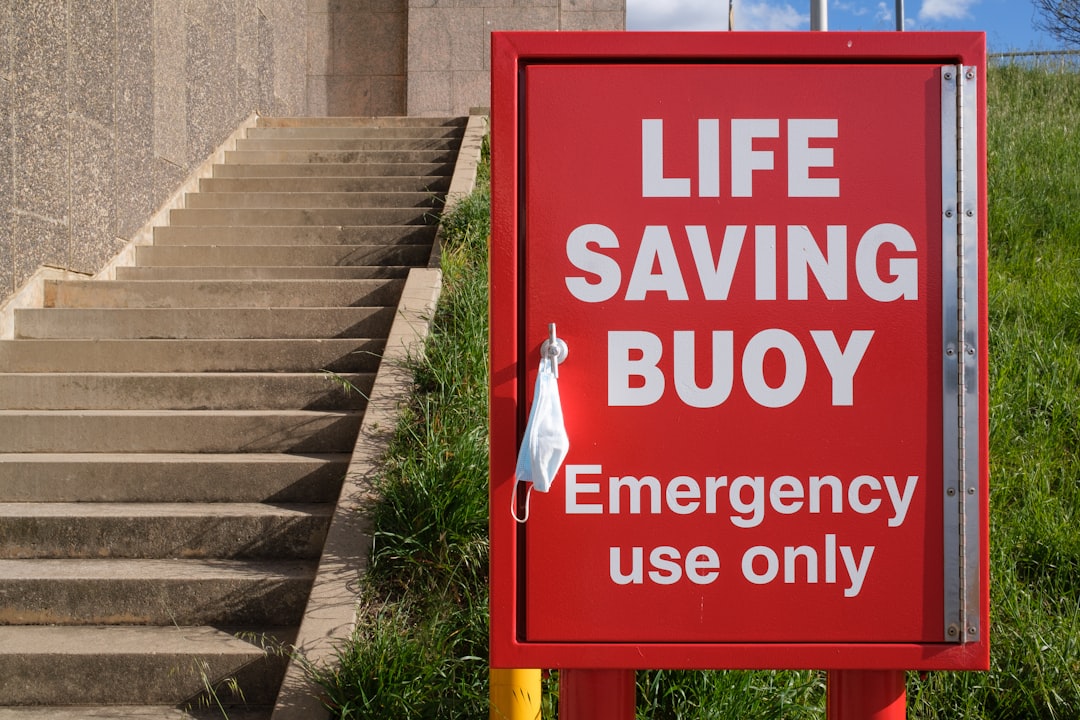
Photo by Roman Wimmers on Unsplash
How to Build an Emergency Fund UK 2026 — A Complete Guide
How to build an emergency fund UK 2026 — it sounds like basic personal finance advice, but in the current economic climate, getting this wrong could leave you exposed to high-cost debt when life throws an unexpected expense your way. The short answer is that every UK adult should hold between three and six months' worth of essential expenses in easily accessible savings.
This guide explains exactly how much you need, where to keep it, and practical strategies to build your fund efficiently — even when rising living costs are squeezing household budgets across the country.
What Is an Emergency Fund and Why Do You Need One?
An emergency fund is a cash reserve set aside specifically for unexpected expenses or periods of income disruption. Unlike savings for a holiday, a house deposit, or a new car, an emergency fund exists purely as financial protection. It is not an investment. It is not meant to grow wealth. It is insurance against life's unpredictability.
The Office for National Statistics (ONS) reports that the average UK household now needs approximately £2,300 to cover essential monthly expenses — a 17% increase since 2021. Meanwhile, unexpected emergencies continue to impact families regardless of economic conditions. According to the Financial Conduct Authority (FCA), approximately 15.9 million UK adults would struggle to cover an unexpected £300 expense without borrowing.
This vulnerability has real consequences. The Money and Pensions Service (MaPS) found that people without emergency savings are three times more likely to use high-cost credit — including payday loans and unauthorised overdrafts — when faced with an unexpected bill. A £500 car repair financed through a typical payday loan can end up costing over £800 once interest and fees are added.
The post-Brexit economic landscape has introduced additional complexities. Supply chain disruptions continue to impact prices for essential goods and services, while fluctuating exchange rates have increased costs for imported items. The Institute for Fiscal Studies (IFS) projects that real household disposable income will remain below pre-pandemic levels until at least 2027, making systematic saving more challenging but simultaneously more important than ever.
MoneyHelper provides free, government-backed guidance on building financial resilience, including personalised calculators to determine your ideal emergency fund target.
How Much Should You Have in Your Emergency Fund?
The standard rule of thumb — three to six months of essential expenses — works as a starting point, but your exact target depends on your personal circumstances.
For a single person living in a flat share outside London with monthly essential expenses of £1,200, a three-month fund would be £3,600. A family of four in the South East with a mortgage, two cars, and childcare costs might have essential monthly expenses of £4,000, requiring a six-month fund of £24,000.
Here is how to calculate your own target:
Step 1: List your essential monthly expenses. These are non-negotiable costs you cannot eliminate during a financial emergency. Include rent or mortgage payments, council tax, utilities (gas, electricity, water, broadband), food and household essentials, minimum debt payments (credit cards, loans), essential transport (car running costs or public transport for work), and insurance premiums (home, car, life).
Step 2: Exclude discretionary spending. Gym memberships, takeaways, streaming subscriptions, holidays, and regular savings contributions are not essential. If you lost your income tomorrow, these would stop.
Step 3: Multiply by your target months. Self-employed people, contract workers, and single-income households should aim for six months. Dual-income households with stable jobs might be comfortable with three months. Those in volatile industries like construction, retail, or tech should lean towards six.
Step 4: Adjust for risk factors. If you have dependents, an unreliable car, an older home prone to repairs, or a health condition that could affect your ability to work, add another one to two months of expenses.
According to a 2025 report from the Resolution Foundation, the median UK household with an emergency fund holds £4,800 — approximately two and a half months of expenses for the average family. This is below the recommended minimum for most households, suggesting that millions of UK families remain financially vulnerable.
Where to Keep Your Emergency Fund
Your emergency fund needs to meet three criteria: accessibility, security, and reasonable returns. Accessibility means you can get the money within a few days at most. Security means your capital is protected — no stock market risk. Reasonable returns means your savings keep pace with inflation as much as possible without taking unnecessary risk.
Here are the best options for UK savers in 2026:
Instant-access savings accounts are the default choice. These accounts allow unlimited withdrawals with no notice period. Current top rates range from 3.5% to 4.8% AER, depending on the provider. The best instant-access accounts in early 2026 include Chip (4.84% AER), Monzo (4.60% AER with a 4.60% AER), and Principality Building Society (4.75% AER). All are protected by the Financial Services Compensation Scheme (FSCS) up to £85,000 per person, per institution.
Notice accounts offer higher interest rates in exchange for a notice period before withdrawal. Typical notice periods are 30, 60, or 90 days. For the portion of your emergency fund beyond immediate needs — the second or third month of expenses — a notice account makes sense. Current 90-day notice accounts pay between 4.5% and 5.2% AER. The trade-off is that you cannot access the money instantly, so you need to keep enough in an instant-access account to cover sudden emergencies.
Premium Bonds from NS\&I offer another option. The current prize fund rate is 4.65%, and your capital is fully protected by the Treasury. The catch is that your money is not guaranteed to earn anything — you could win nothing for months. For emergency funds above £5,000, Premium Bonds can be a reasonable choice for the portion you are unlikely to need immediately, but they should not be your only emergency savings vehicle.
Fixed-rate bonds lock your money away for a set period — typically one to five years — in exchange for higher interest rates. Current one-year fixed rates are around 4.75% to 5.25%. These are not suitable for your core emergency fund because you cannot access the money without paying a penalty. However, if you have built a fully funded emergency fund and want to earn more on the portion you are confident you will not need for a year, a fixed-rate bond can be a sensible addition.
| Storage Option | Accessibility | Current Rate (AER) | Risk Level | FSCS Protection | Best For |
|---|---|---|---|---|---|
| Instant-access savings | Immediate | 3.5–4.8% | Very low | £85,000 | First 1–2 months of expenses |
| 90-day notice account | 90 days notice | 4.5–5.2% | Very low | £85,000 | Months 3–6 of expenses |
| Premium Bonds | 2–3 working days | 4.65% (prize rate) | Very low | Unlimited (NS\&I) | Larger funds, higher-rate taxpayers |
| One-year fixed bond | Locked for 1 year | 4.75–5.25% | Very low | £85,000 | Fully funded surplus |
| Easy-access cash ISA | Immediate | 3.0–4.5% | Very low | £85,000 | Higher-rate taxpayers using ISA allowance |
Building Your Emergency Fund Step by Step
Building a meaningful emergency fund requires a structured approach. Here is a step-by-step method that works for most UK households.
Step 1: Calculate your target amount. Using the method above, determine how much you need for three to six months of essential expenses. Write this number down. It is your goal.
Step 2: Start with a starter fund of £1,000. Before you worry about the full target, focus on getting £1,000 into an instant-access account. This covers most small emergencies — a broken appliance, an unexpected dental bill, a car repair. The psychological boost of having this starter fund is significant.
Step 3: Set up an automatic monthly transfer. Treat your emergency fund contribution as a non-negotiable expense, like your rent or mortgage. Automate a transfer from your current account to your savings account on payday. Even £50 a month adds up to £600 a year before interest.
Step 4: Save windfalls and bonuses. Any unexpected money — tax refunds, birthday cash, work bonuses, cashback rewards — goes straight into your emergency fund until you hit your target. This accelerates progress without affecting your day-to-day budget.
Step 5: Increase contributions when possible. Every time you get a pay rise, pay off a debt, or finish a fixed expense (like a loan repayment), redirect at least half of the freed-up cash to your emergency fund.
Step 6: Reassess annually. Your essential expenses change over time. Review your target amount once a year and adjust your savings plan accordingly.
According to data from the Building Societies Association, households who automate their savings are 3.5 times more likely to reach their savings goals than those who rely on manual transfers at the end of the month. Behavioural economics research suggests that "paying yourself first" — moving savings before you see the money in your current account — exploits a cognitive bias called present bias, where people consistently overvalue immediate rewards over future ones.
Budgeting Strategies to Free Up Emergency Fund Contributions
Most people believe they have no money left to save at the end of the month. The reality is often different. A detailed budget analysis typically reveals dozens of small leaks that add up to significant monthly outflows.
Conduct a proper spending audit. For two months, track every single pound you spend. Use a budgeting app like Money Dashboard, Snoop, or Emma, or keep a simple spreadsheet. At the end of the two months, categorise every transaction. You will almost certainly find spending you had forgotten about — unused subscriptions, daily coffees, impulse purchases, premium delivery services.
Cancel unused subscriptions. The average UK household spends £48 per month on unused subscriptions, according to a 2025 survey by Citizens Advice. Streaming services, gym memberships, app subscriptions, magazine subscriptions, and meal kit deliveries are common culprits. Cancel anything you have not used in the last 30 days.
Reduce grocery bills. The average UK household spends £75 per week on groceries, according to Kantar Worldpanel. Switching to a discount supermarket like Aldi or Lidl typically saves 15–20%. Meal planning, cooking in batches, and reducing food waste can save another 10–15%. A family saving 25% on a £300 monthly grocery bill frees up £75 per month for their emergency fund.
Cut energy costs. The energy price cap in April 2026 is set at £1,690 per year for a typical household. Comparing tariffs and switching to a fixed-rate deal could save £150–£300 annually. Simple measures like reducing thermostat temperature by one degree, bleeding radiators, and using smart plugs to eliminate standby power consumption can save another £100 per year.
Review insurance and broadband bills. Loyalty penalties — where existing customers pay more than new customers — are widespread in home insurance, car insurance, and broadband. Use a comparison site at renewal time. Switching home insurance typically saves £50–£100. Switching broadband saves £100–£200 annually. These are one-off annual savings, but they free up cash for your emergency fund without changing your lifestyle.
Snoop is a free budgeting app that automatically analyses your spending, identifies unused subscriptions, and suggests cheaper deals on regular bills. Users save an average of £240 in their first three months.
Low-Risk Options to Help Your Fund Grow
Once your emergency fund is fully built, you face a different problem: inflation eroding its real value. With inflation running at 3–4% and instant-access savings accounts paying 4–5%, the gap is small but not zero. Here are legitimate ways to protect your emergency fund's purchasing power without taking excessive risk.
Use your ISA allowance. If you are a higher-rate taxpayer (40% or 45%), savings interest above your Personal Savings Allowance (£500 for higher-rate taxpayers, £0 for additional-rate taxpayers) is taxed. Moving your emergency fund into a cash ISA protects the interest from tax. The best easy-access cash ISAs in early 2026 pay 3.5–4.5% AER, slightly below the best non-ISA accounts but tax-free.
Consider a notice account for the surplus. If your emergency fund is £15,000 and your immediate needs are £5,000, move the remaining £10,000 into a 90-day notice account paying 4.8–5.2% AER. The extra interest on £10,000 over a year is approximately £50–£70 — not life-changing, but better than leaving it in an instant-access account.
Premium Bonds for higher-rate taxpayers. Premium Bonds winnings are tax-free, making them particularly attractive for higher and additional-rate taxpayers. The effective interest rate for a basic-rate taxpayer is 4.65% before tax, but for a 45% taxpayer, an instant-access account paying 4.8% becomes only 2.64% after tax — making Premium Bonds significantly more attractive.
Short-term money market funds. These funds invest in very short-term government and corporate debt, offering returns slightly above instant-access savings accounts with very low risk. However, they are not FSCS-protected, and accessing your money takes 2–5 working days. For the portion of your emergency fund beyond the first two months, a money market fund from a provider like Vanguard or BlackRock could be appropriate for experienced savers.
| Account Type | Gross Rate (AER) | After Tax (Basic Rate 20%) | After Tax (Higher 40%) | Access |
|---|---|---|---|---|
| Instant-access savings (non-ISA) | 4.75% | 3.80% | 2.85% | Immediate |
| Easy-access cash ISA | 4.25% | 4.25% | 4.25% | Immediate |
| 90-day notice account (non-ISA) | 5.00% | 4.00% | 3.00% | 90 days notice |
| Premium Bonds | 4.65% (prize rate) | 4.65% | 4.65% | 2–3 days |
| Money market fund | 4.90% | 3.92% | 2.94% | 2–5 days |
What Counts as a Genuine Emergency?
One of the biggest risks to building an emergency fund is spending it on things that are not true emergencies. Establishing clear criteria helps you preserve the fund for when you genuinely need it.
True emergencies include:
* Unexpected job loss or income reduction * Essential home repairs that make the property unsafe or uninhabitable (a broken boiler in winter, a leaking roof, an electrical fault) * Urgent medical or dental expenses not covered by the NHS or private insurance * Essential car repairs needed for work commuting (not cosmetic or routine maintenance) * Emergency travel for a family funeral or critical illness * Legal expenses arising from an unforeseen situation (not planned advice)
Not emergencies include:
* Holiday bookings or travel expenses * Christmas or birthday presents * House renovations or cosmetic improvements * A newer or nicer car * Wedding expenses * Eating out, takeaways, or entertainment * Planned purchases you forgot to budget for
If you are tempted to dip into your emergency fund for a non-emergency, pause for 48 hours. Ask yourself: would I take out a high-interest loan for this? If the answer is no, do not use your emergency fund.
Rebuilding After an Emergency
If you use your emergency fund for its intended purpose — and that is what it is there for — rebuilding it should become your top financial priority.
Step 1: Stop non-essential saving. Pause contributions to other savings goals (holiday fund, new car fund, overpaying a low-interest mortgage) and redirect everything to the emergency fund.
Step 2: Reduce discretionary spending temporarily. For one to three months, cut back on eating out, takeaways, entertainment, and non-essential shopping. Every pound saved accelerates the rebuild.
Step 3: Use the same automated system. Reinstate the automatic monthly transfer you used to build the fund initially, possibly at a higher level if your income allows.
Step 4: Consider temporary additional income. A side hustle, overtime, or selling unused items can accelerate the rebuild. Even £100 a week adds up quickly.
The typical rebuild time for a £6,000 emergency fund after a withdrawal is four to eight months, depending on your savings rate. The key is consistency. Do not let the setback discourage you — that is exactly what the fund was designed for.
Frequently Asked Questions
Q: Should I pay off debt or build an emergency fund first? A: Build a starter fund of £1,000 first. This covers small emergencies without adding to your debt. Then focus on high-interest debt (credit cards, overdrafts, payday loans) where interest rates exceed 15%. Once high-interest debt is gone, build your full emergency fund while making minimum payments on low-interest debt like student loans or mortgages.
Q: Can I use my Lifetime ISA as an emergency fund? A: No. Withdrawing from a LISA for anything other than a first home purchase or turning 60 triggers a 25% withdrawal charge, meaning you get back less than you put in. A £5,000 LISA withdrawal would leave you with only £3,750 after the penalty. Keep your emergency fund in accessible savings, not tax-advantaged accounts with withdrawal penalties.
Q: What if I have irregular income? A: Self-employed people, freelancers, and commission-based workers should aim for six to nine months of essential expenses, not three to six. Your income is less predictable, so your buffer needs to be larger. Keep the fund in easily accessible accounts and consider keeping an additional month in a notice account to smooth out longer gaps between payments.
Q: Does my emergency fund affect means-tested benefits? A: Yes. For Universal Credit, savings over £6,000 reduce your monthly payment. Savings over £16,000 make you ineligible for Universal Credit entirely. If you receive means-tested benefits, speak to a benefits adviser at Citizens Advice before building a large emergency fund. In some cases, keeping savings in a pension or making overpayments on debt may be more appropriate.
Q: I have reached my target — now what? A: Congratulations. Redirect your monthly savings contributions to other goals: a stocks and shares ISA for long-term investing, overpaying your mortgage, or saving for specific goals like a house deposit or holiday. Review your emergency fund target annually and top it up if your essential expenses have increased. Consider moving some of the surplus into a notice account or one-year fixed bond to earn higher interest without locking away money you might need quickly.
\---
If you do not yet have an emergency fund, opening a dedicated savings account today costs nothing and takes ten minutes. Even £10 a week adds up to £520 in a year. The peace of mind that comes from knowing you can handle a financial shock without borrowing is worth far more than the interest you might earn by investing that money elsewhere. Start small, be consistent, and build your financial resilience one month at a time.
Was this article helpful?
Comments
Join the discussion
The Friday Money Brief
One money tip every Friday. No spam. Unsubscribe any time.
No comments yet.